
Fitbit's AI Health Coach Is About to Get Much Smarter With Your Medical Records
Small business owners can benefit from understanding advancements in AI-driven personal health management as they consider similar tools to improve employee wellness programs and reduce healthcare costs.
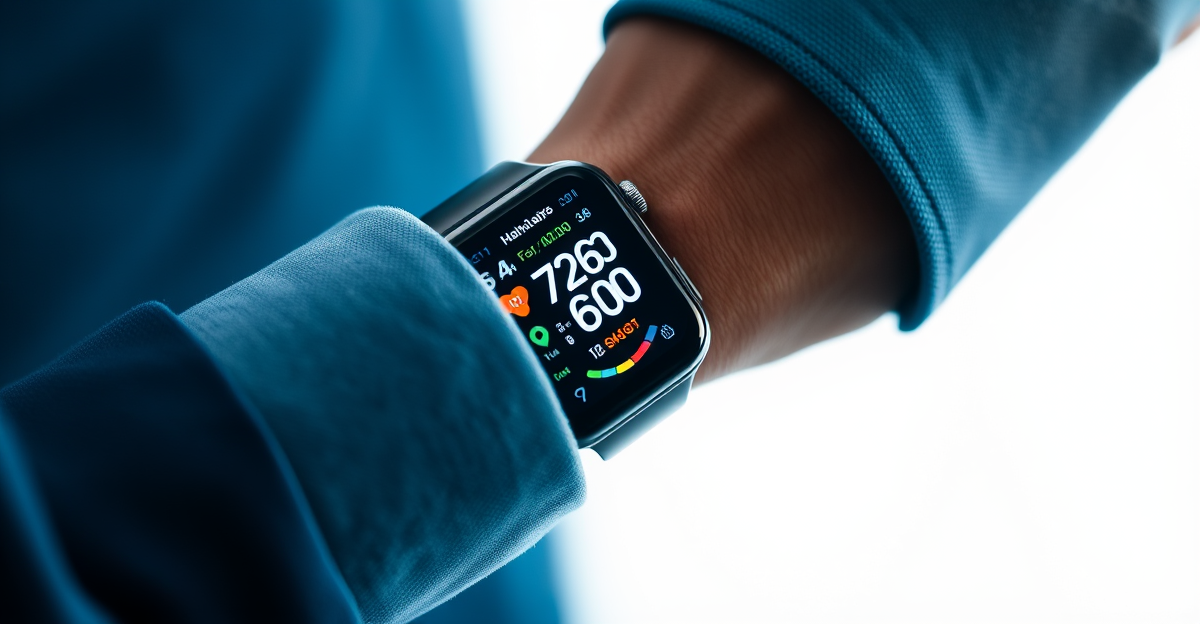
Google announced this week that Fitbit's AI health coaching feature will soon be able to access users' actual medical records — with permission — giving the virtual coach context that goes far beyond step counts and heart rate. For everyday consumers, this is a convenience upgrade. For small business owners thinking about employee wellness, it's a preview of where AI-assisted health management is heading.
What's Changing With Fitbit
Fitbit's AI coach has existed for a while, offering personalized nudges and health insights based on the data collected by the wearable device. The upgrade announced by Google takes this to a new level: with user consent, the AI will be able to connect to health record systems and read things like medication history, doctor's notes, lab results, and chronic condition diagnoses.
The result is a virtual health coach that understands not just your fitness data but your actual health picture — something that previously required a human personal trainer or health concierge with access to your records. The AI can then give advice that accounts for your real health situation rather than generic wellness guidance.
Why Small Business Owners Should Pay Attention
Employee health has a direct impact on small business productivity and costs. Sick days, burnout, chronic condition flare-ups, and preventable health issues all hit small teams harder than large ones because there's less slack in the system. When one person is out, everyone feels it.
AI-assisted wellness tools represent a growing category of benefits that can genuinely improve outcomes — not by replacing healthcare, but by helping people stay on top of their health between doctor visits. Fitbit's move signals that this category is becoming more sophisticated and more personalized.
For small businesses offering health benefits, this trend also matters in a different way: the AI tools your employees use in their personal lives are increasingly integrating with formal healthcare systems. Understanding this landscape helps you make better decisions about the wellness tools and benefits you offer.
The Privacy Dimension
Giving an AI access to medical records raises legitimate privacy questions, and it's worth addressing them head on. Google has structured this as an opt-in feature — the AI only accesses medical records if the user explicitly authorizes the connection. Fitbit's AI is also subject to HIPAA regulations when handling health data in the US, providing a legal framework for how that information must be protected.
The practical advice: if you're considering recommending or subsidizing any AI health tool for your team, look for explicit opt-in design and clear data governance policies. Tools that assume access rather than asking for it should be viewed with caution.
The Business Takeaway
AI health coaching is moving from generic step-counting to genuinely personalized health guidance — and that shift will eventually reach the employee wellness products small businesses offer and use. Fitbit's announcement is a good moment to evaluate what health and wellness tools you currently offer your team, whether they're delivering real value, and whether newer AI-assisted options might be more effective. The technology is reaching a maturity point where the gap between what's available to individuals and what actually improves health outcomes is closing.